
Fescue Weed Control and Fertilization in Atlanta
Tall fescue is the shade-tolerant grass in many metro Atlanta yards, especially on wooded lots on the north side. It stays green in winter, but it struggles in Georgia summers and does not spread on its own. Fall is everything for fescue.
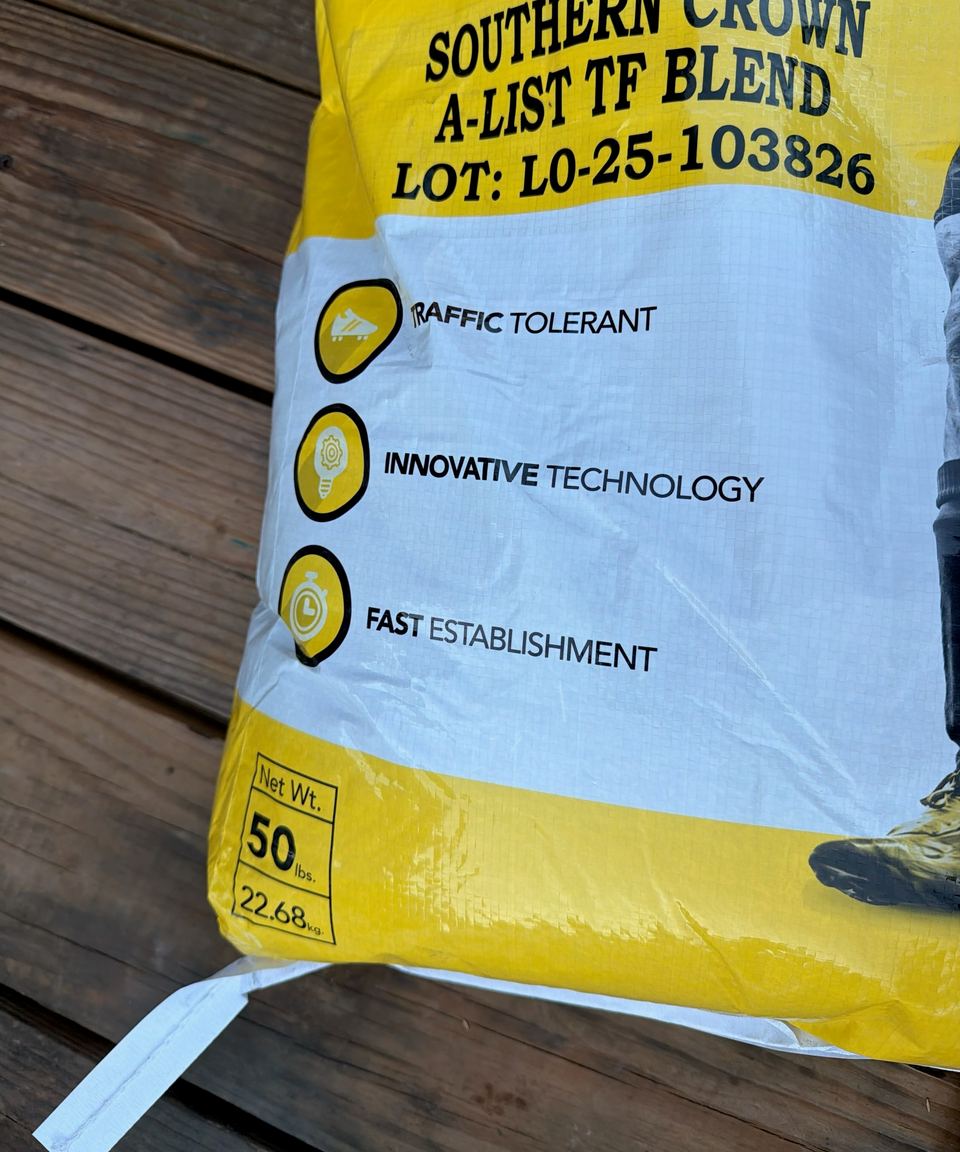
Fall is fescue season
Fescue is a cool-season grass. Its main feedings come in October and November, with a lighter feeding in February and March. Heavy feeding in summer stresses it and invites disease.
Aeration and overseeding
Fescue grows in clumps and does not fill bare spots on its own. Fall overseeding is how a fescue lawn stays thick. Core Aeration and Overseeding are available as separate add-on services.
Planning pre-emergent around seed
Pre-emergent stops grass seed from sprouting the same way it stops weeds. When you overseed in fall, we time pre-emergent so the new fescue gets established first.
Brown patch
Brown patch is a fungal disease that hits fescue in hot, humid weather, especially when grass stays wet overnight. Water early in the morning and avoid summer nitrogen. Our 12-visit Healthy Lawn Elite program includes fungicide treatments.
Shade and soil
Fescue tolerates shade better than Bermuda or centipede, but it still needs about four hours of sun. Under heavy canopy, even fescue thins, and we will tell you honestly when a bed may be the better choice.
Where we treat tall fescue lawns
Tall fescue is common on shaded lots in Alpharetta, Milton, Roswell, Johns Creek, Lawrenceville, Duluth, Norcross, Cumming. Also see our guides to Bermuda lawn care and centipede lawn care, or all service areas.
Money back if you don't see results
No contracts and no runaround. Don't see results? You can stop the service at any time and we'll refund 100% of your money, no questions asked.
“If you don't see the results we're offering, if you're not satisfied with the service, not only can you stop the service at any time, but we will also give you the money back. We're so sure of what we're doing that you have nothing to lose.”
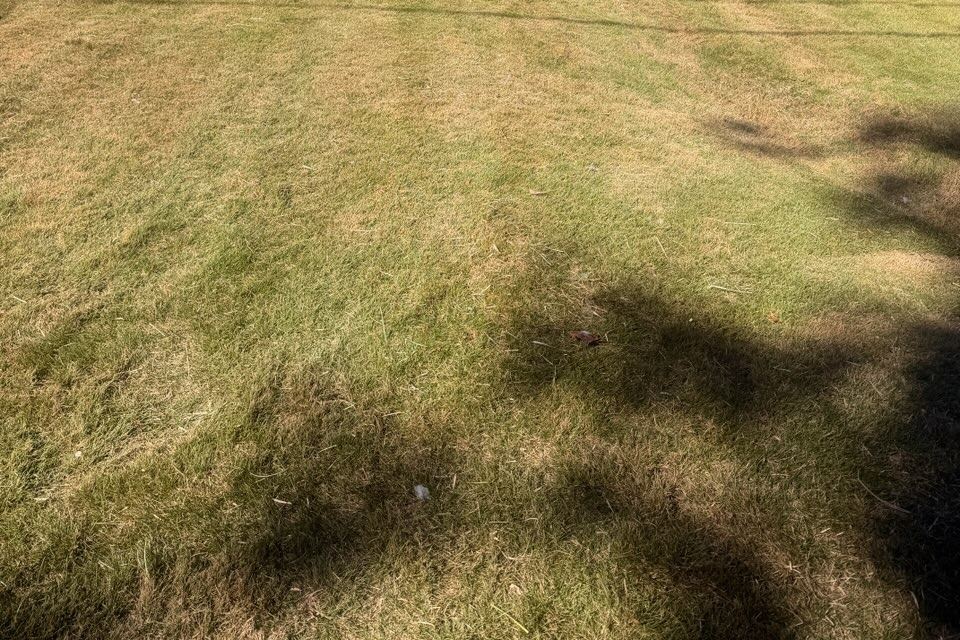
Tall Fescue lawn care questions
When should I fertilize fescue in Atlanta?
Mostly in fall, in October and November, with a lighter feeding in February and March. Avoid heavy feeding in summer, which stresses fescue and encourages brown patch.
When should I overseed fescue?
September and October, after core aeration. Warm soil and cooler air help new seed root before winter. We plan pre-emergent around your seeding so it does not stop the new grass.
Why does my fescue lawn get thin every summer?
Fescue is a cool-season grass that struggles in Georgia heat, and it grows in clumps that do not spread. Heat and disease thin it in summer, so it needs fall overseeding to stay thick.
What is brown patch and how do I prevent it?
Brown patch is a fungal disease that causes circular brown areas in fescue during hot, humid weather. Water in the early morning, avoid summer nitrogen and consider our Healthy Lawn Elite program, which includes fungicide treatments.
Can you treat weeds and overseed in the same season?
Yes, with planning. Pre-emergent also stops grass seed, so we time weed control around your fall seeding and treat existing weeds in a way that will not harm young fescue.
Ready for a lawn you are proud of?
Call us or send a quote request. No contracts, and if you don't see results, you get your money back.