
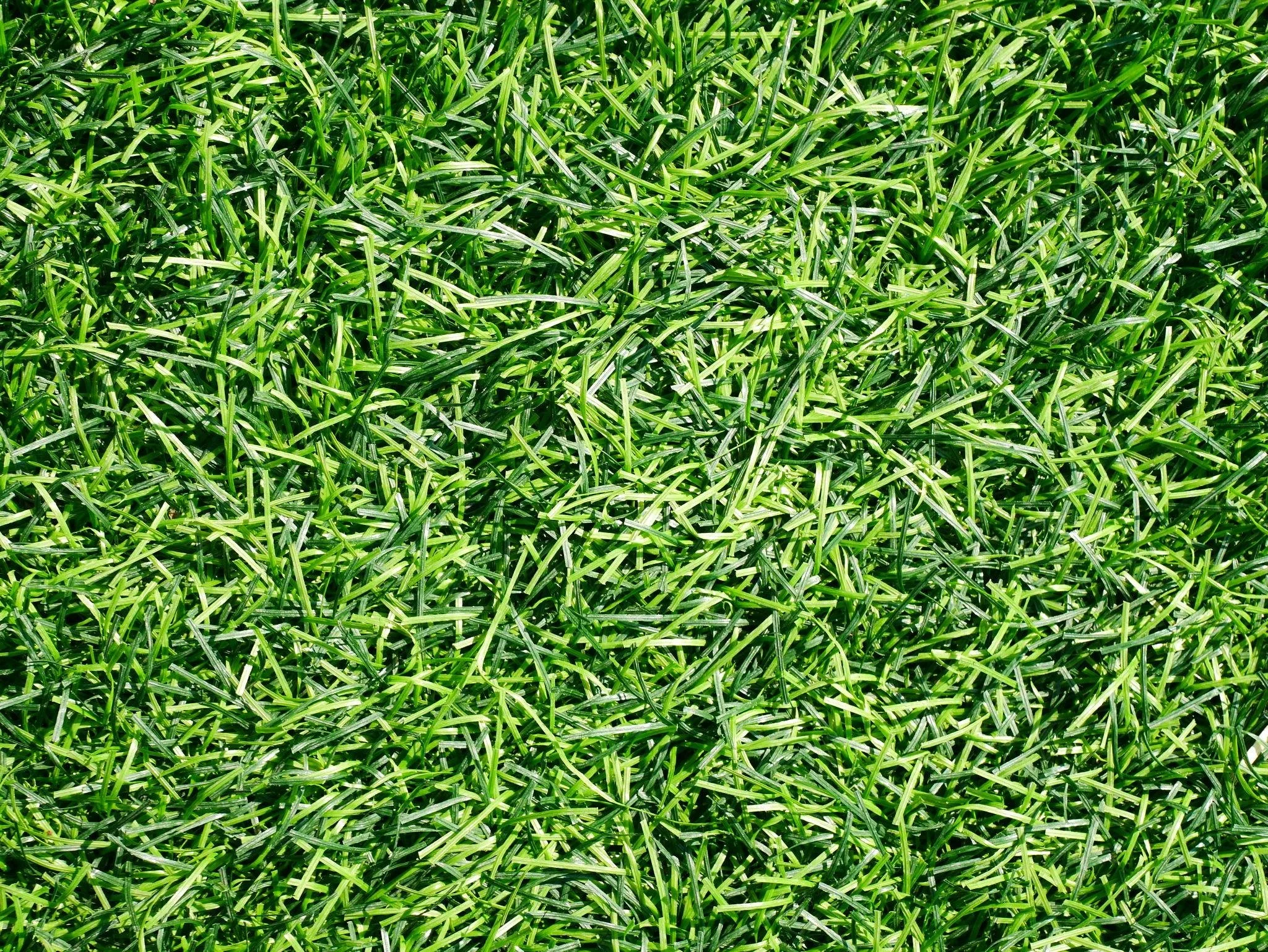
Bermuda Grass
Lawn Care & Weed Control
Bermuda grass is one of the strongest lawns you can have — but it only looks its best when it’s properly maintained. Because it grows fast and spreads aggressively, it needs consistent feeding and weed control to stay thick, green, and uniform instead of patchy and invaded by weeds.
Bermuda is a strong, aggressive grass — but it only stays thick when its growth stays consistent. When that cycle gets interrupted, problems start showing up quickly.
Fast growth needs steady nutrients
Bermuda spreads rapidly, which means it uses nutrients faster than most lawns. If feeding isn’t consistent, it doesn’t just slow down — it thins out.
Weeds move in when density drops
A healthy Bermuda lawn naturally crowds out weeds. But the moment it loses thickness, open soil appears and weeds take advantage almost immediately.
Summer stress creates gaps
Heat and drought don’t usually kill Bermuda, but they weaken it. During stress periods the grass stops spreading, leaving small openings that later become visible patches.
Wrong timing creates endless weed cycles
Weed control only works when applied at the right stage of growth. If treatments are late or inconsistent, weeds keep germinating faster than the lawn can recover — leading to the constant “spray and they come back” frustration.
Why Bermuda Lawns Struggle
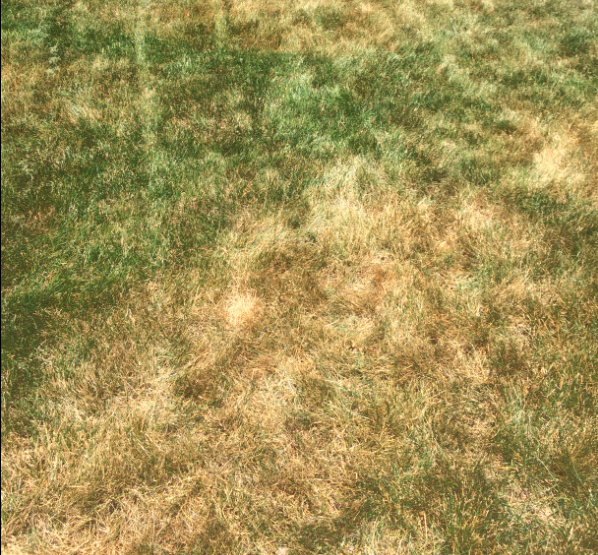
Common Bermuda Lawn Problems We Fix
Most Bermuda lawns don’t suddenly fail — they lose consistency.
Once growth slows or timing gets off, multiple problems start appearing at the same time.
Weeds in Bermuda grass
Bermuda normally crowds weeds out. If weeds are visible, the lawn has already lost density and needs recovery — not just spraying.
Thin Bermuda lawn
Fast-growing grass should look tight and carpet-like. When it looks open or uneven, nutrients or timing have been inconsistent.
Bare spots in Bermuda
Small weak areas quickly turn into noticeable patches because the grass isn’t spreading fast enough to refill them.
Bermuda not spreading
When healthy, Bermuda creeps aggressively across soil. If it stops moving, the lawn is under stress or missing key nutrients.
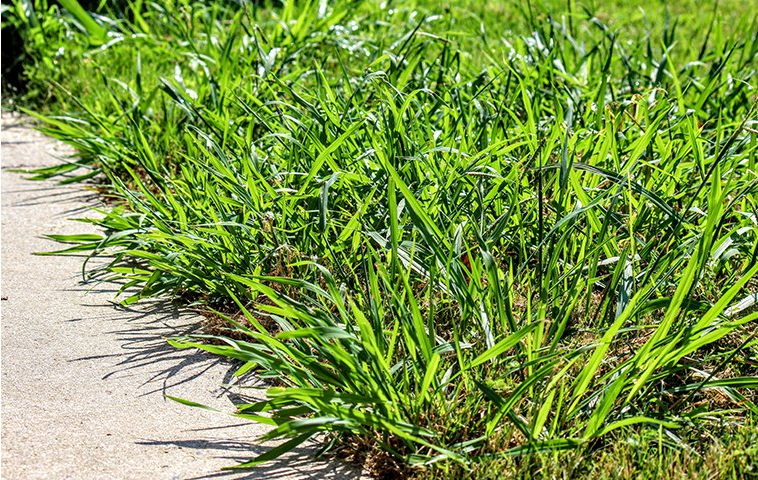
Crabgrass in Bermuda
Crabgrass appears when pre-emergent timing is off. Once it establishes, it competes heavily during summer.
Dallisgrass in Bermuda
This is a common persistent clump weed. It survives normal treatments and requires targeted control to remove without damaging the lawn.
Bermuda turning brown in summer
Often mistaken for drought alone. Many times it’s stress combined with feeding imbalance, causing the lawn to weaken during peak heat.
Our Bermuda Treatment Plan
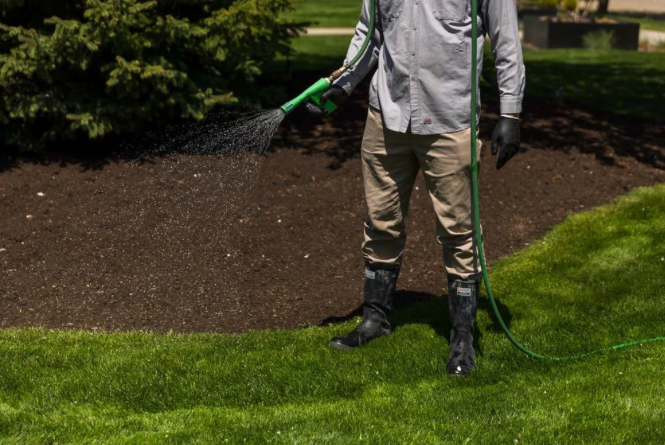
Bermuda doesn’t improve with occasional treatments — it improves with a structured, consistent program. Because it grows aggressively, the goal is to guide that growth so the lawn stays dense enough to prevent problems before they start.
Pre-emergent protection
We prevent most weeds before they appear by applying protection ahead of germination. Timing here is critical — once weeds sprout, the lawn has already lost ground.
Growth-season feeding
During active growth, Bermuda needs regular nutrients to keep spreading and thickening. Proper feeding keeps the lawn full so bare soil never opens up.
Weed suppression during peak growth
We target weeds while the grass is strong enough to outcompete them. This removes invaders without slowing the lawn’s recovery.
Summer stress support
Heat doesn’t usually kill Bermuda, but it can stall it. We adjust treatments to keep the lawn stable through the hottest months so thinning doesn’t start.
Thickening over time
A great Bermuda lawn is built gradually. With consistent timing, the grass fills in tighter each season, reducing weeds and improving appearance naturally.
Why Some Lawns Never Get Thick
Many Bermuda lawns look better for a few weeks after treatment — then slowly go right back to thin and weedy.
That usually isn’t a grass problem. It’s a consistency problem.
Bermuda grows in cycles throughout the year. If treatments aren’t applied at the right times, the lawn essentially resets each season. Weeds germinate before protection is down, growth starts without enough nutrients, and summer stress opens gaps again. The next year the same pattern repeats.
That’s why spraying only when weeds appear rarely fixes the lawn long-term. By the time weeds are visible, the grass has already lost density.
A thick Bermuda lawn isn’t created by occasional applications — it’s created by a coordinated yearly plan. When prevention, feeding, and timing work together, the lawn keeps building on the previous season instead of starting over.
Is Your Lawn Bermuda?
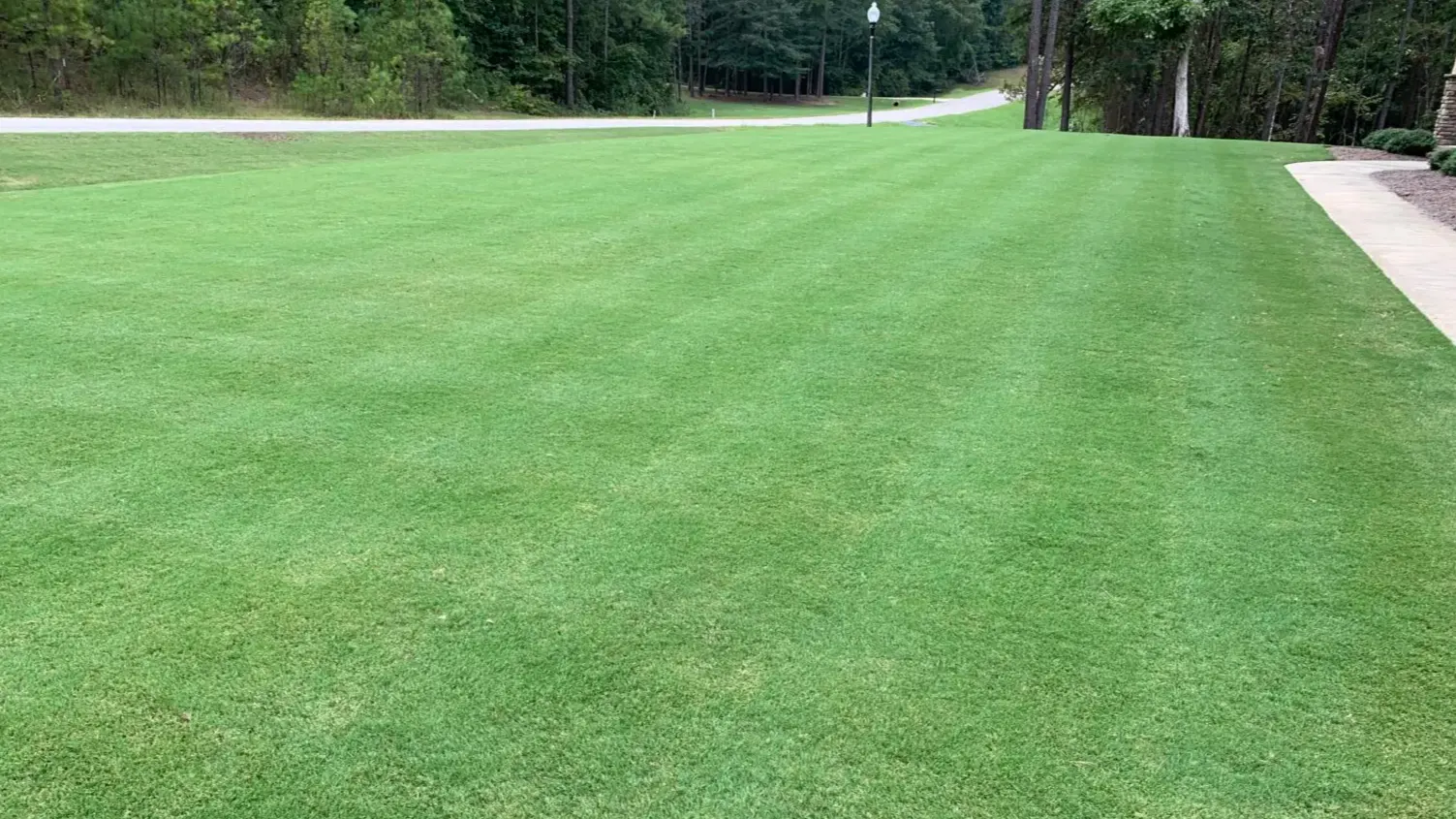
Not every lawn in Georgia is the same — and the treatment plan depends on the grass type.
Bermuda has some very recognizable traits once you know what to look for.
Fine blades
The grass blades are thin and wiry compared to most other lawns. Up close, it feels firm rather than soft.
Spreads aggressively
Bermuda doesn’t stay where you put it. It creeps into beds, sidewalks, and bare soil quickly through runners.
Turns brown in winter
During colder months it goes fully dormant and tan-colored, then greens up again in spring.
Stripes when cut low
When mowed short, it shows clear mowing lines and patterns — that classic athletic-field look.
If your lawn matches most of these, it benefits from a Bermuda-specific program built around timing and growth cycles.
Where We Treat Bermudagrass Lawns
We provide bermuda grass lawn treatments across our service area including: