
Centipede Grass Lawn Care & Treatment
Centipede grass isn’t just another southern lawn — it’s a low-maintenance grass that becomes high-problem when treated like Bermuda or Zoysia. Most lawn programs accidentally stress, yellow, or even kill centipede because they push growth instead of protecting it. Our program is designed specifically to keep centipede slow, stable, and healthy.
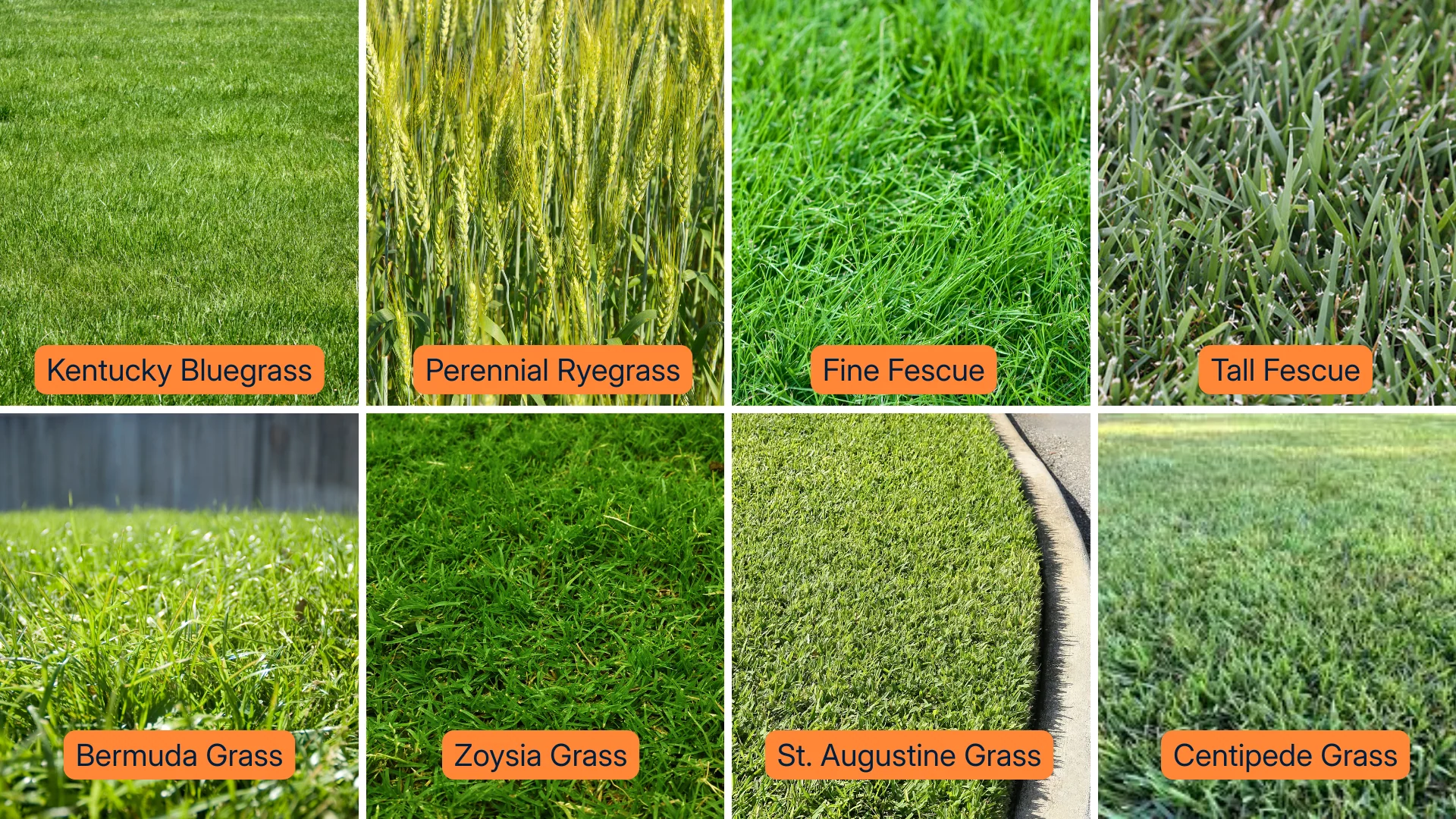
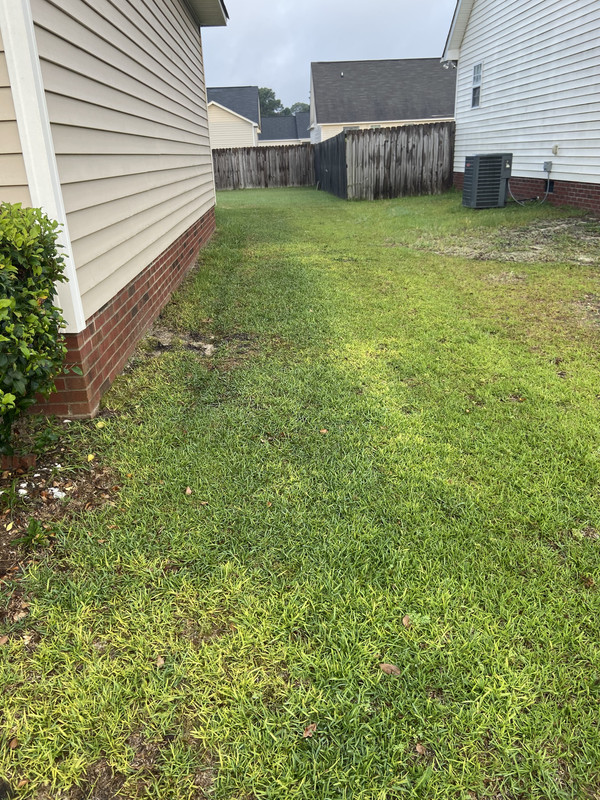
Why Centipede Grass Is Different
Centipede grass is often called the “lazy man’s grass,” but that nickname causes a lot of problems. Because it grows slower and needs less input, many lawn programs accidentally over-treat it.
Centipede does not respond well to heavy fertilizer — especially nitrogen. What makes Bermuda dark green will often burn centipede, thin it out, or slowly weaken it over the season. Sometimes the damage doesn’t show up immediately. The lawn just keeps getting lighter, patchier, and weaker every month.
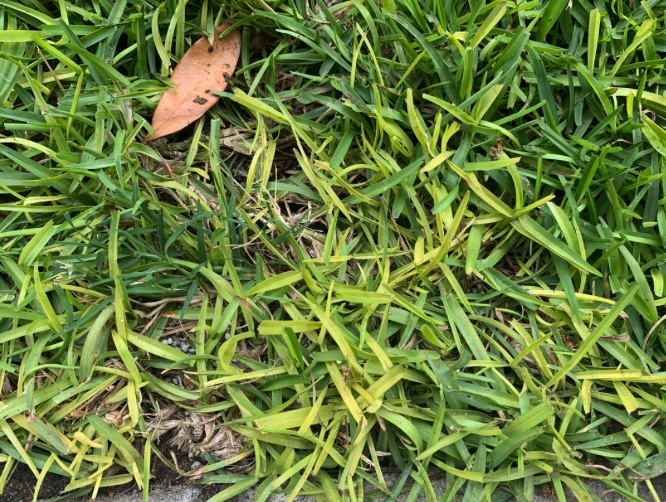
Another common mistake: people see yellow and assume the lawn needs more fertilizer. With centipede, yellowing is usually an imbalance, not hunger. Adding more fertilizer actually makes the problem worse, not better.
It also doesn’t recover quickly. Bermuda can bounce back from mistakes in a few weeks. Centipede declines slowly — and once it starts going backwards, it can take an entire season to stabilize.
That’s why so many homeowners feel like they’re doing everything right but the lawn keeps getting worse.
Most of the time, the grass isn’t the problem — the treatment plan is.
Common Centipede Lawn Problems We Fix
Most centipede lawns don’t suddenly fail — they slowly slide downhill.
Homeowners usually notice one symptom at a time, but they’re all connected to how centipede reacts to the wrong treatments.
Yellow centipede grass
This is the #1 complaint. It’s rarely because the lawn needs more fertilizer. Centipede usually yellows from stress or imbalance, and feeding it harder makes it worse.
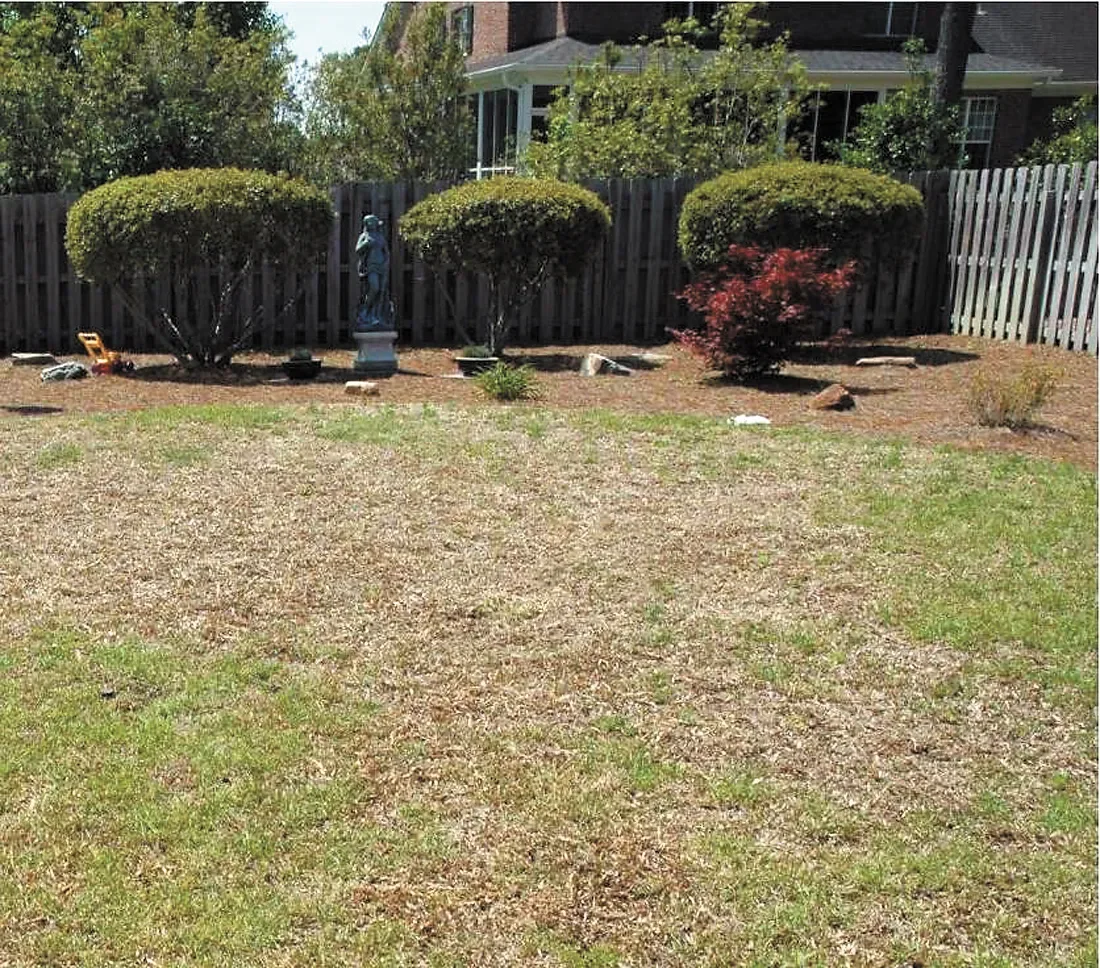
Thinning centipede lawn
The grass stops spreading, gaps appear, and weeds begin filling in. This often happens after seasons of being pushed to grow faster than it naturally should.
Weeds taking over
When centipede weakens, it can’t compete. The problem isn’t just the weeds — it’s that the lawn lost its density first.
Bare patches
Centipede recovers slowly. Once areas die out, they don’t quickly fill back in like Bermuda, so small problems turn into visible spots.
Centipede decline
The lawn looks fine one year, then worse the next, then worse again. Many people think it’s disease, but most of the time it’s accumulated stress from improper care.
Lawn not greening up in spring
If your neighbors’ lawns turn green and yours stays pale for weeks, the grass is struggling to wake up — usually because it was weakened the previous season.
Our Treatment Approach for Centipede
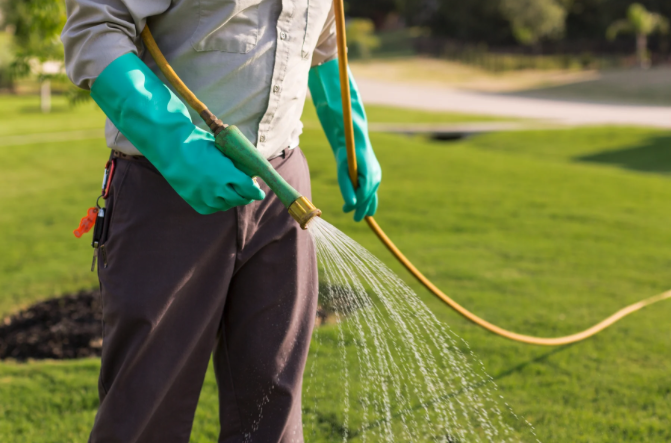
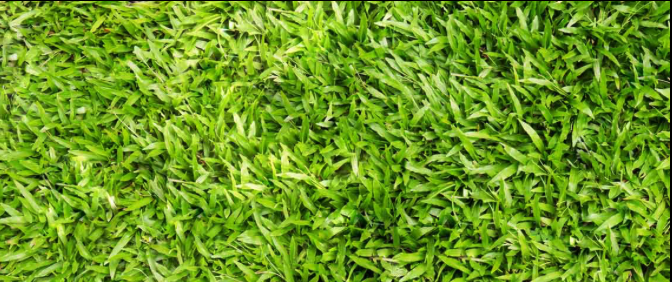
Centipede lawns don’t improve by pushing them harder — they improve by treating them correctly and consistently. Our program is built around how this grass naturally grows, not how other grasses are managed.
Controlled feeding schedule
Instead of heavy fertilizer hits, we apply small, carefully timed feedings. This keeps the lawn stable so it strengthens without stress.
Iron balancing instead of heavy nitrogen
Centipede gets its healthy green color from balance, not force. We focus on correcting color safely rather than over-fertilizing and risking burn.
Weed control timed specifically for centipede
Many weed treatments are applied at the wrong time for this grass. We target weeds when centipede can tolerate it, preventing damage while still keeping control.
Stress-season protection
Summer heat and seasonal transitions are when centipede declines the fastest. We adjust treatments during these periods to protect roots instead of pushing growth.
Gradual thickening instead of forced growth
A healthy centipede lawn thickens slowly. We build density over time so the lawn stays strong long-term, rather than looking good briefly and then weakening.
Why Many Lawn Programs Fail Centipede
Most lawn programs aren’t built specifically for centipede grass. They’re designed around faster-growing lawns like Bermuda, then applied to every yard the same way.
That approach works fine for grasses that like frequent feeding and aggressive growth.
Centipede isn’t one of them.
When it receives treatments meant for stronger, faster lawns, it doesn’t improve — it slowly weakens. The lawn may look greener for a short time, but over the season it begins to yellow, thin out, and struggle to recover.
This is why many homeowners feel stuck in a cycle:
fertilize → temporary improvement → decline → repeat.
Nothing is necessarily being done wrong — it’s just the wrong plan for this specific grass.
Centipede needs a lighter, more controlled approach. Once it’s treated according to how it naturally grows, the lawn usually stabilizes and begins improving instead of fluctuating.
Where We Treat Centipede Lawns
We provide centipede lawn treatments across our service area including: